Age-stage Kit Planning
We map 0-12 month, toddler, preschool, and big kid needs to product groups that support grasping, balance, language, sorting, pretend play, and early STEM discovery.
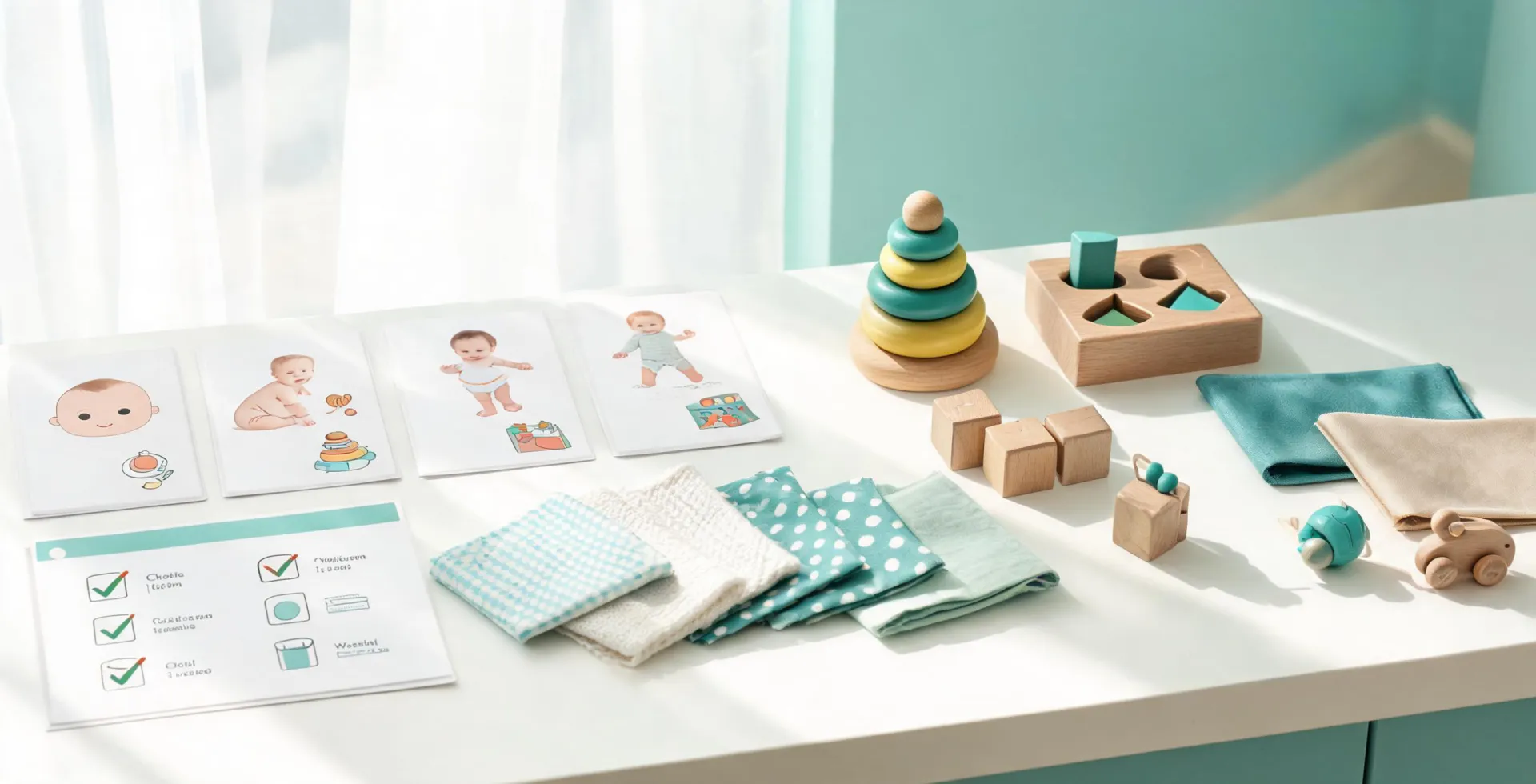
From family kit planning to retail category review, our process turns age, setting, safety requirements, and developmental goals into an organized product recommendation.
Lovevery supports parents, gift buyers, schools, occupational therapy programs, and retail partners who need product choices to match a child's stage instead of a generic shelf label. The service model starts with what the child is practicing now, then adds safety expectations, cleaning needs, storage limits, and budget preferences. That approach makes the recommendation feel precise without becoming clinical or intimidating.
We map 0-12 month, toddler, preschool, and big kid needs to product groups that support grasping, balance, language, sorting, pretend play, and early STEM discovery.
Teams can request concise explanations of ASTM F963, CPSIA, EN71, BPA-free materials, textile care, and small-part considerations before choosing an assortment.
For stores, care settings, and family gifting programs, we organize categories by age, use case, and replenishment logic so the catalog is easier to shop.
The workflow is intentionally structured. It avoids guesswork, keeps the conversation grounded in child-development language, and gives stakeholders enough detail to make a confident decision. A parent might need one play kit and a washable mat. A retailer might need a balanced assortment across baby textile, outdoor play, and educational toys. The same review process can serve both because it asks clear questions first.
We confirm age range, current skills, sensory preferences, supervision level, and whether the item is for home, care, travel, gifting, or retail display.
Material rules, washability, small-part risk, outdoor durability, textile softness, and certification language narrow the selection before aesthetics enter the review.
Each recommendation links to a clear developmental outcome such as fine-motor control, object permanence, early numeracy, balance, or cooperative pretend play.
The final mix balances novelty, daily usefulness, storage, cleaning, and gift appeal, then points the buyer toward the right catalog category.
Lovevery service guidance is designed around repeated use, not one-time novelty. A product should be safe to handle, understandable to a caregiver, aligned with a visible skill, and simple enough to return to during ordinary routines. When a toy, mat, textile, or outdoor item cannot meet that standard, it should not lead the recommendation.
Use the form to describe the child age range, intended environment, and whether you are choosing for home, gift, retail, classroom, or program use. A concise request helps us respond with a practical path instead of a broad catalog dump.